Playing Cards
Playing cards are a working object. The difference is felt in stock, finish, registration, and edge quality. We focus on premium decks that handle cleanly, wear slowly, and look timeless.
COPAG®
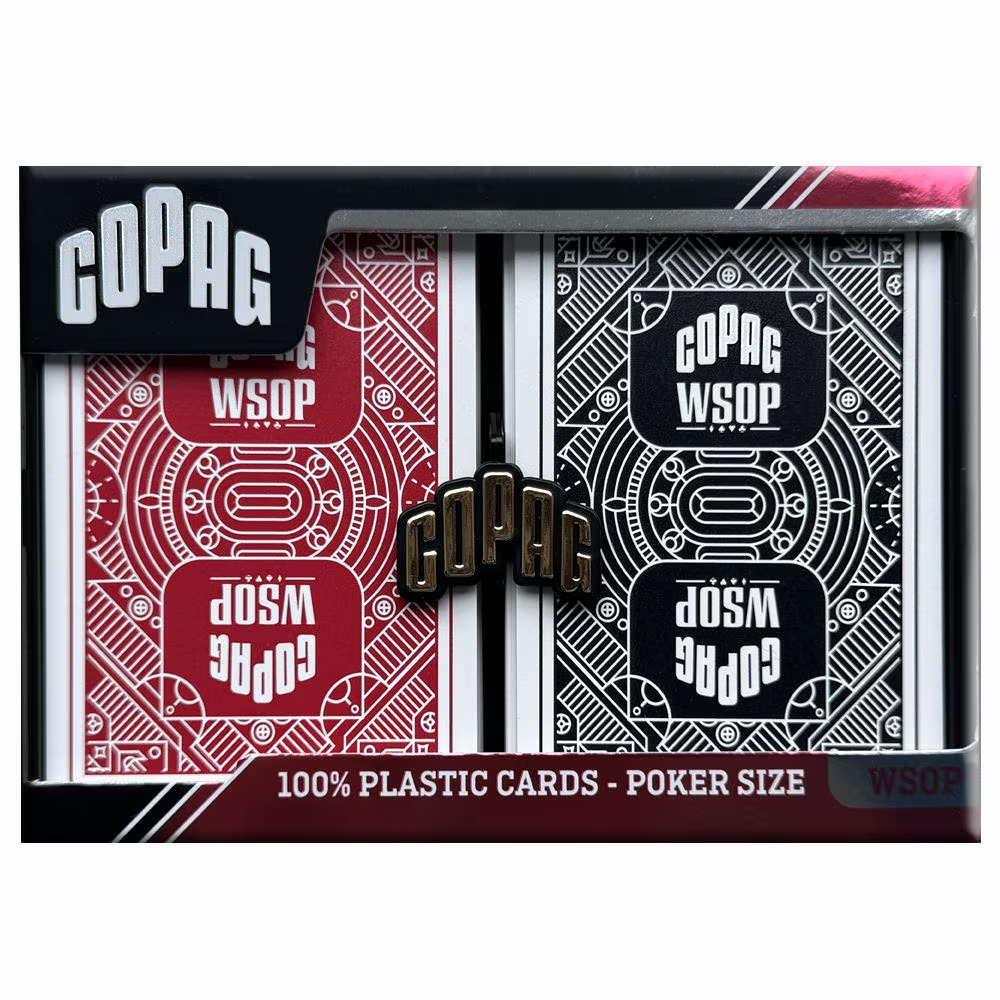
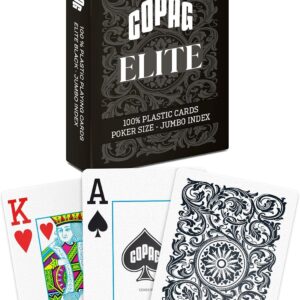
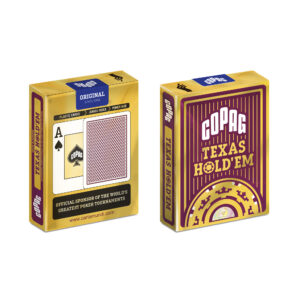
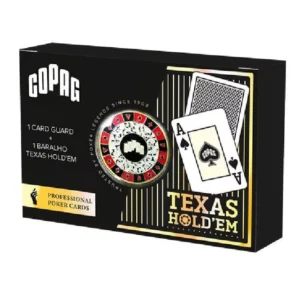
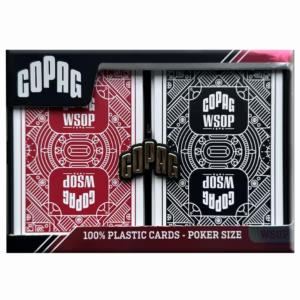
COPAG® is a Brazilian playing card brand established in 1908 and a modern reference point for players who want quality cards built for regular use without feeling clinical. As an official playing card provider to major poker events including the World Series of Poker, the World Poker Tour and the Asian Poker Tour, COPAG sits comfortably in serious home games and professional tournament environments alike – practical, dependable and easy to keep in rotation.
For players who value clean handling, long sessions, and a deck that does not feel precious, COPAG is often the choice – reliable poker cards with credible table pedigree.
KEM®
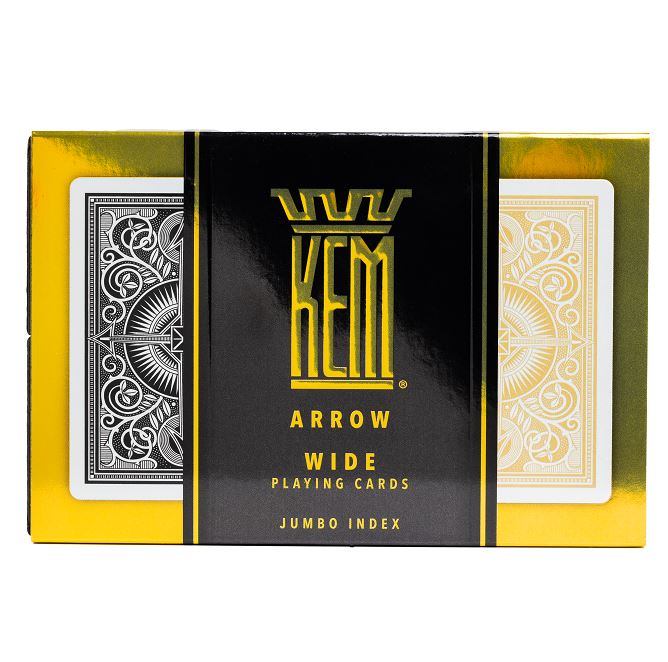
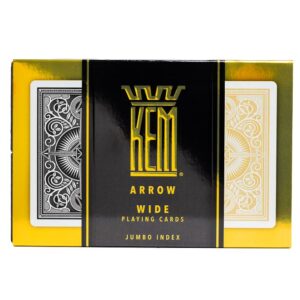
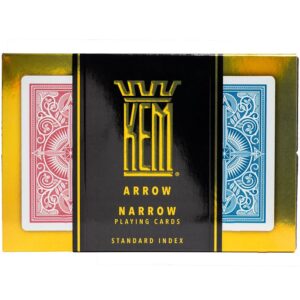
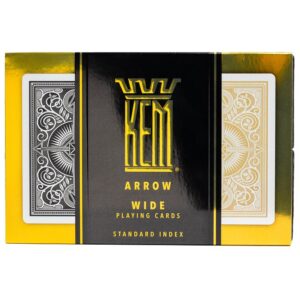
KEM® is an American heritage playing-card brand built for players who take the table seriously. Since 1935, KEM has been synonymous with premium, casino-grade performance – the kind of deck that feels effortless in the hand and stays consistent game after game.
Made from 100% cellulose acetate, KEM cards deliver the classic snap and handling players love, with the durability and security of true plastic. They’re washable, resistant to wear, and designed to remain crisp and reliable long after ordinary decks have faded, softened, or marked.
Fournier®
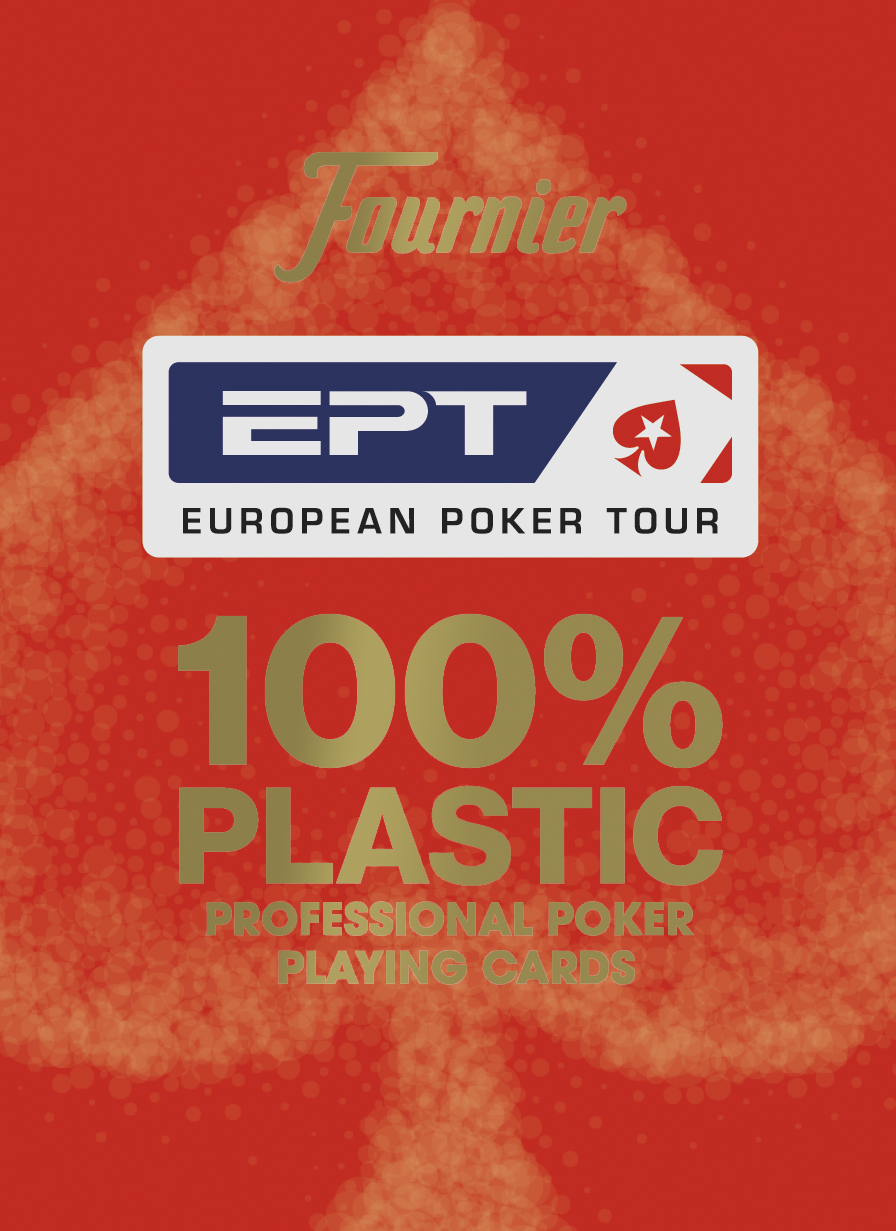
Fournier® is a Spanish playing card brand established in 1870, with a distinctly European kind of authority. As the official playing-card brand of the European Poker Tour, it is closely associated with structured play, traditional card rooms, and professional settings where familiarity, clarity, and consistency matter more than novelty.
It is an easy brand to choose when you want professional credibility without the deck feeling overly modern or stylised. Fournier works particularly well for buyers who appreciate heritage, but still want a practical deck for regular use.
Current range
-
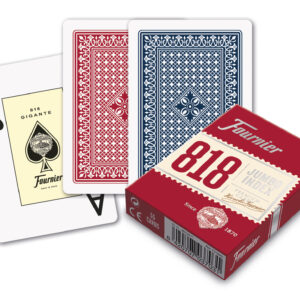
Fournier No. 818 Poker Jumbo Index Playing Cards – Red/Blue
€ 5,49 -
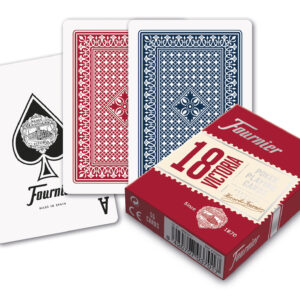
Fournier No. 18 Poker Size Standard Index Cards – Red/Blue
€ 5,49 -
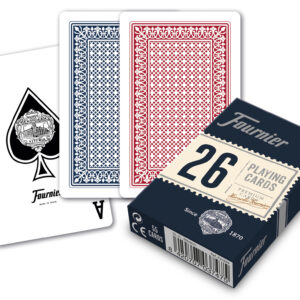
Fournier No. 26 Narrow Standard Index Playing Cards – Red/Bue
€ 5,49 -
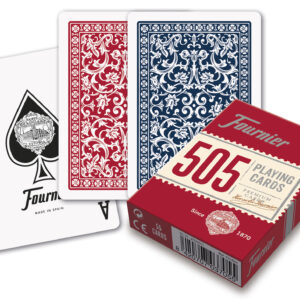
Fournier No. 505 Poker Standard Index Premium Cards – Red/Blue
€ 5,99 -
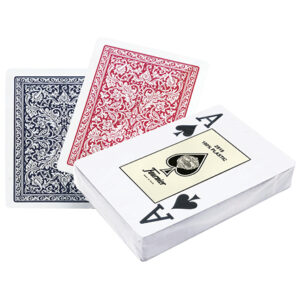
Fournier No. 2818 Jumbo Index Poker Cards – Red/Blue
€ 12,49 -
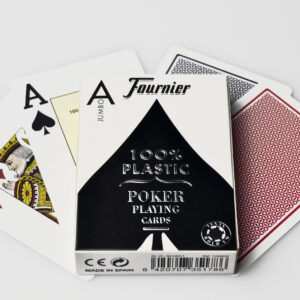
Fournier No. 2800 Jumbo Index Poker Cards – Red/Blue
€ 12,99 -
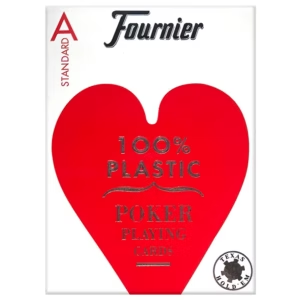
Fournier No. 2800 Standard Index Poker Cards – Red/Blue
€ 12,99 -
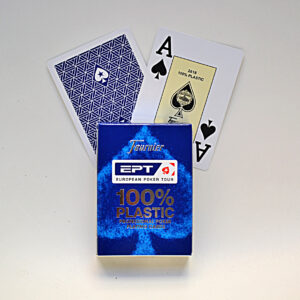
Fournier EPT Professional Poker Jumbo Cards – Red/Blue
€ 12,99
BICYCLE®
BICYCLE® is the familiar classic. First introduced in 1885, the brand is widely recognised, easy to live with, and still one of the most approachable places to start if you want a dependable deck. Its appeal lies partly in that sense of recognition – most players know what a BICYCLE deck is before they open the box.
The brand is a natural all-rounder. For casual poker, family play, gifting, or simply keeping a trusted deck at home, BICYCLE remains relevant because it is clean, versatile, and reassuringly familiar.
Current range
-
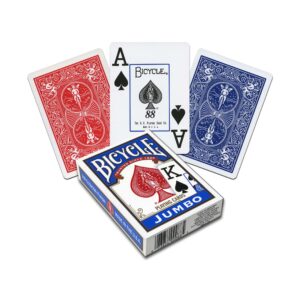
BICYCLE Wide Size Jumbo Index Playing Cards – Red/Blue
€ 5,49 -
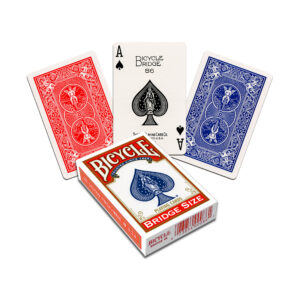
BICYCLE Bridge Size Standard Index Playing Cards – Red/Blue
€ 5,49 -
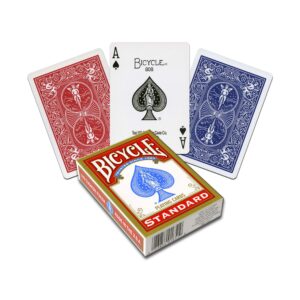
BICYCLE 808 Gold Standard Index Playing Cards – Red/Blue
€ 5,49 -
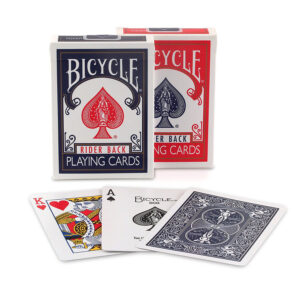
BICYCLE Wide Size Standard Index Playing Cards – Red/Blue
€ 5,49 -
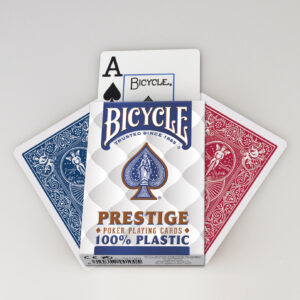
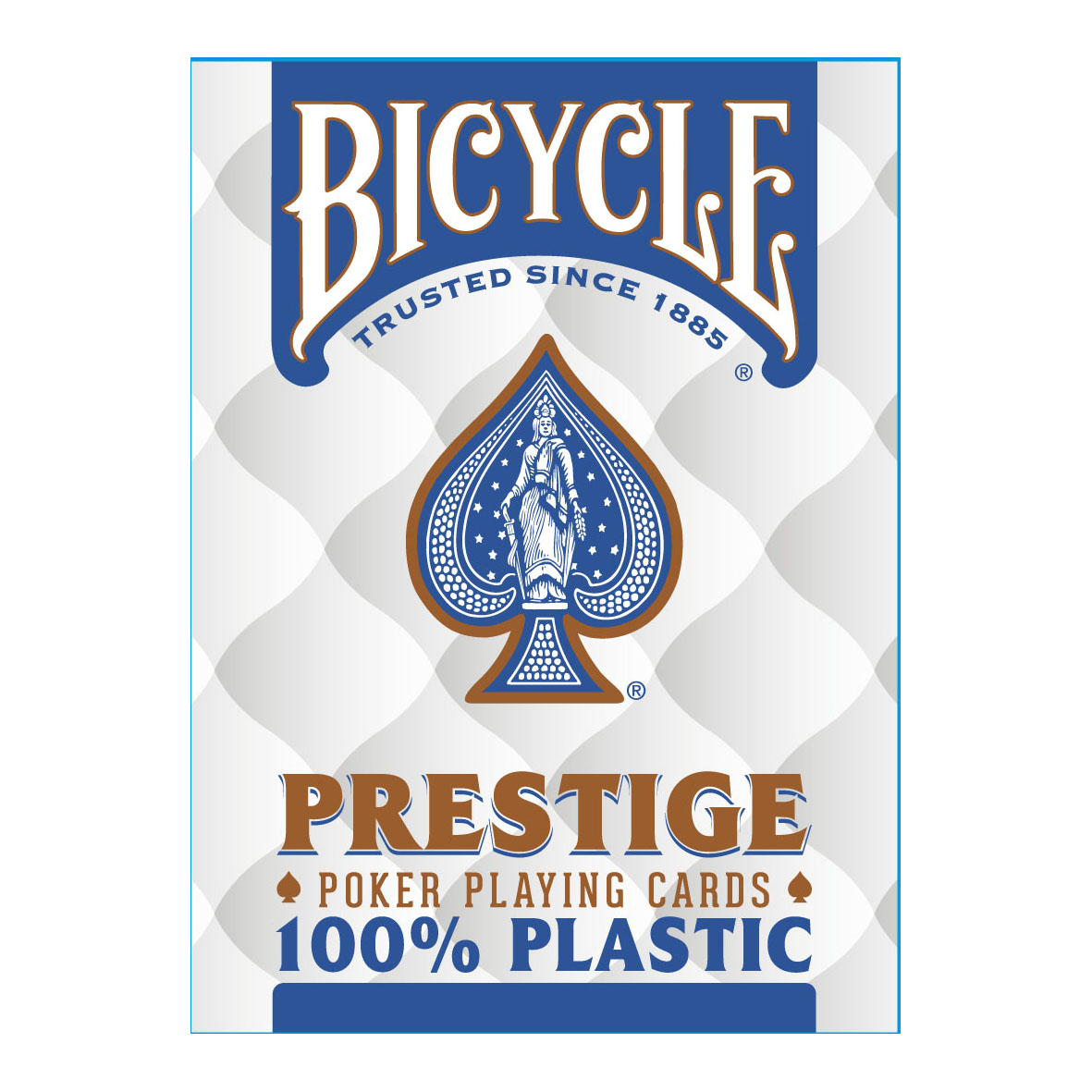
BICYCLE Prestige 100% Plastic Playing Cards – Red/Blue
€ 9,99
Bee®
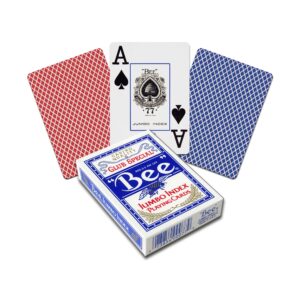
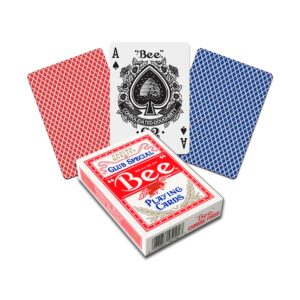
Established in 1892, Bee® playing cards are closely associated with casino-style performance, durability and the distinctive diamond-back design. The brand has a practical, table-focused character and a more utilitarian reputation than many everyday card brands – which is part of its appeal.
Bee is a strong choice for players who prefer a plainer, more workmanlike deck with reliable handling and a strong connection to professional card rooms.
Current range
TALLY-HO®
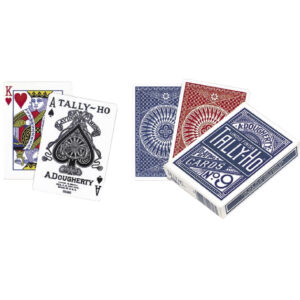
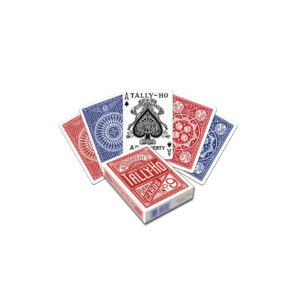
TALLY-HO® playing cards were first printed in 1881. The brand stands apart through design as much as use. The backs are more distinctive, the overall impression is a little more dressed, and the brand has long appealed to people who notice movement, balance, and visual rhythm in a deck.
TALLY-HO is an especially strong fit for cardistry, flourish, and buyers with an eye for design, but it also works well for anyone who wants their cards to feel slightly more considered. Among traditional paper decks, it has a distinct visual grace and works well as a refined everyday deck.
Current range
Buying Guide
What is the difference between jumbo and standard index playing cards?
The index is the number/letter and suit symbol in the corners.
- Jumbo index: larger corner markings (easier to read). Popular for poker games, casinos, and players who want quicker readability across the table
- Standard index: smaller corner markings (traditional look). Popular for traditional card games and a classic feel
What is the difference between wide and narrow playing cards?
- Wide size cards are the classic poker size (approx. 63 x 88 mm / 2.5″ x 3.5″). More common for poker, casino games, and general use
- Narrow size cards or bridge size (approx. 57 x 89 mm / 2.25″ x 3.5″). Easier to hold, often preferred for games where players hold many cards
What is the difference between paper and plastic playing cards?
- Paper cards (often paperboard with a coating/finish) are the traditional option. Lower cost, classic feel, great for casual use
- Plastic cards (PVC or cellulose acetate) are more durable and long-lasting. Washable, better for frequent play, harder to bend permanently
If you’re building a serious home game setup, plastic cards are usually the best upgrade.
Which playing cards are best for poker?
Casinos, poker clubs, and most players choose:
- Poker size (wide)
- Jumbo index
- Plastic or high-quality coated cards for regular play
A simple guide: for games with a dealer and community or table cards, jumbo index usually offers the best readability – a strong fit for poker and casino games such as Texas Hold’em, Omaha, Blackjack, and Baccarat. For games where players hold more cards in hand, narrow cards are often easier to handle, which is why they are commonly preferred for games such as Bridge, Pilotta, and Biriba.
How long do playing cards last, and how should I care for them?
The lifespan of a deck depends on the material, how often it is used, and how it is handled. Plastic cards generally last longer, while paper cards can wear more quickly with frequent play. To keep any deck in better condition, store it flat, keep it away from heat, moisture and dust, and handle it with clean, dry hands. Paper decks, when handled carefully and stored properly, will usually remain in good condition for several months, while plastic decks can last for many years.
Do you offer custom playing cards for casinos and events?
Yes – we supply custom playing cards for casinos, poker clubs, tournaments, and branded events through selected suppliers. Options vary by brand and specification, and typically depend on order quantities, lead time, and artwork requirements. Contact us with your brief and we’ll recommend the best option.
Fast shipping within Cyprus and across the EU.
Not sure what to choose?
Send a short note with intended use and budget. We’ll reply with a quick recommendation.